
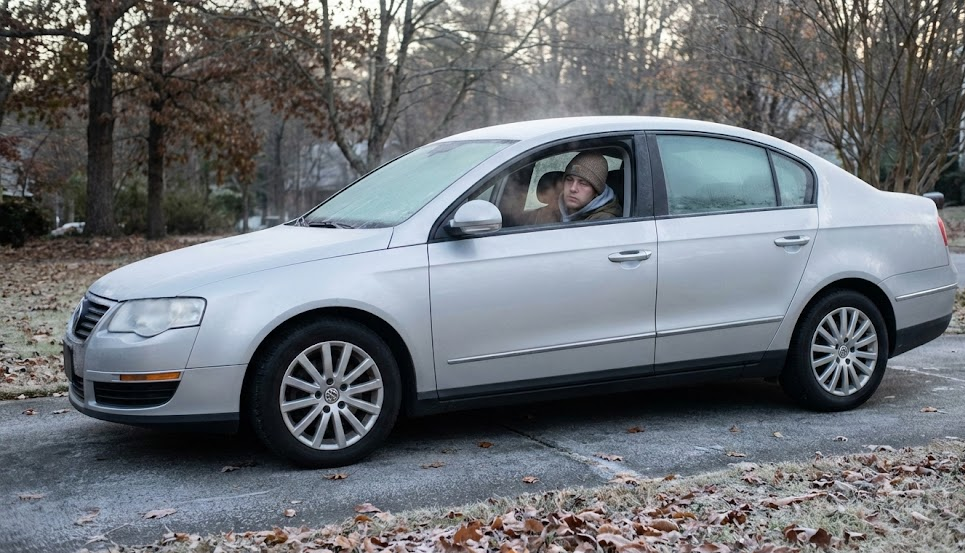
Here’s something most Atlanta drivers get completely wrong: they blame cold weather when their car won’t start on a chilly November morning. The reality is far different. That dead battery in your driveway wasn’t killed by the cold—it was actually destroyed months earlier during those sweltering 90-degree days you spent idling in traffic on I-285 or parked outside your office in Snellville. The cold weather just exposed what summer had already broken. Understanding this “heat kills, cold reveals” phenomenon can save you from getting stranded. At Stone Mountain Volkswagen Service Center, we see this pattern constantly throughout the Atlanta area.
The “Heat Kills, Cold Reveals” Phenomenon Explained
The misconception about batteries and cold weather is deeply rooted in most drivers’ minds, but the science tells a dramatically different story. When Atlanta temperatures climb into the upper 80s and low 90s during summer—which happens routinely from May through September—your battery is quietly suffering internal damage that won’t become obvious until months later. Heat accelerates chemical reactions inside your battery, causing the electrolyte fluid to evaporate faster than it should. This evaporation exposes the lead plates inside, creating sulfation where lead sulfate crystals build up and reduce your battery’s capacity.
Even more critically, industry data cited by Consumer Reports confirms that vehicle batteries in southern states like Georgia last an average of 17 months less than batteries in colder northern climates. That’s nearly a year and a half of lost battery life simply because of our climate. The damage accumulates silently all summer long, gradually hollowing out your battery’s internal structure.
Then winter arrives, and suddenly your engine needs significantly more power to turn over because the cold makes your engine oil thicker. Your already-weakened battery tries to deliver that extra power and simply can’t. The cold didn’t kill your battery—it just demanded more from a battery that summer had already destroyed. This is why AAA typically responds to over 1.8 million battery-related service calls during summer months, proving heat is the real culprit.
How 90°F Days in Snellville Drain Your Battery’s Life
Living in the Snellville and Stone Mountain area means experiencing particularly brutal summer conditions that directly attack your Volkswagen’s battery. Atlanta’s average high temperature in July reaches 89°F, but that’s just the outside air temperature—under your hood, temperatures routinely exceed 150°F when you’re sitting in traffic or parked in the sun. Every time you’re stuck on Highway 78 heading toward Athens or waiting in the Snellville Pavilion parking lot on a Saturday afternoon, your battery is losing capacity.
What makes Atlanta’s climate especially damaging is the combination of heat and humidity. Our muggy summer air accelerates the corrosion process on battery terminals, creating additional resistance that forces your alternator to work harder. When your alternator works harder, it generates more heat, creating a vicious cycle that shortens both your battery and alternator lifespan. The frequent afternoon thunderstorms that roll through Stone Mountain between June and August bring temporary relief, but they also increase humidity levels that promote faster corrosion.
For Volkswagen owners specifically, this matters even more because modern VWs have sophisticated electrical systems that draw power constantly, even when parked. Your Jetta, Atlas, or Taos uses battery power to maintain security systems while sitting in your driveway or at Hartsfield-Jackson Airport during a business trip. This constant drain, combined with heat damage, means your battery degrades faster than it would in a simpler vehicle.
3 Subtle Signs Your Volkswagen’s Battery Is Already Dying
Most drivers miss the early warning signs because they’re subtle and easy to dismiss. The first sign is often a slightly slower engine crank when you start your gas-powered VW in the morning. Instead of immediately turning over with confidence, your engine hesitates for just a fraction of a second longer than usual. That hesitation tells you the battery is struggling to deliver full power.
The second warning comes from your electrical accessories acting strangely. Maybe your power windows move slower than they used to, or your radio takes an extra second to turn on after you start the engine. You might notice your headlights seem slightly dimmer when idling at a stoplight near Stone Mountain Park, or your dashboard lights flicker briefly when you first turn the key. These symptoms indicate your battery isn’t maintaining consistent voltage.
The third sign is when you see warning lights on your dashboard, particularly the battery or check engine light. Modern Volkswagens monitor battery voltage constantly, and when the system detects voltage dropping below normal operating ranges, it alerts you immediately. If you’re experiencing any of these symptoms, get your battery tested before you end up stranded. Stop by for a complimentary battery check at our service center.
Why Modern VW Electronics Need More Than a Standard Jump Start
If you think you can just grab jumper cables when your battery dies, you’re potentially setting yourself up for expensive electrical problems. Modern Volkswagens—especially models from 2015 onward—use a sophisticated Battery Management System (BMS) that actively monitors and regulates how your battery charges. This system learns your battery’s characteristics over time and adjusts the alternator’s charging behavior. When you install a new battery without properly programming the BMS, the system continues using the old charging profile designed for a worn-out battery.
Here’s what happens: your old battery needed aggressive charging because its internal resistance had increased with age. Your BMS knew this and told the alternator to charge at higher voltages. When you install a fresh battery that can accept charge easily, but the BMS still thinks it’s dealing with an old battery, the alternator overcharges the new battery. This overcharging generates excessive heat and can damage your new battery within months. Even worse, sustained overcharging can burn out your alternator itself.
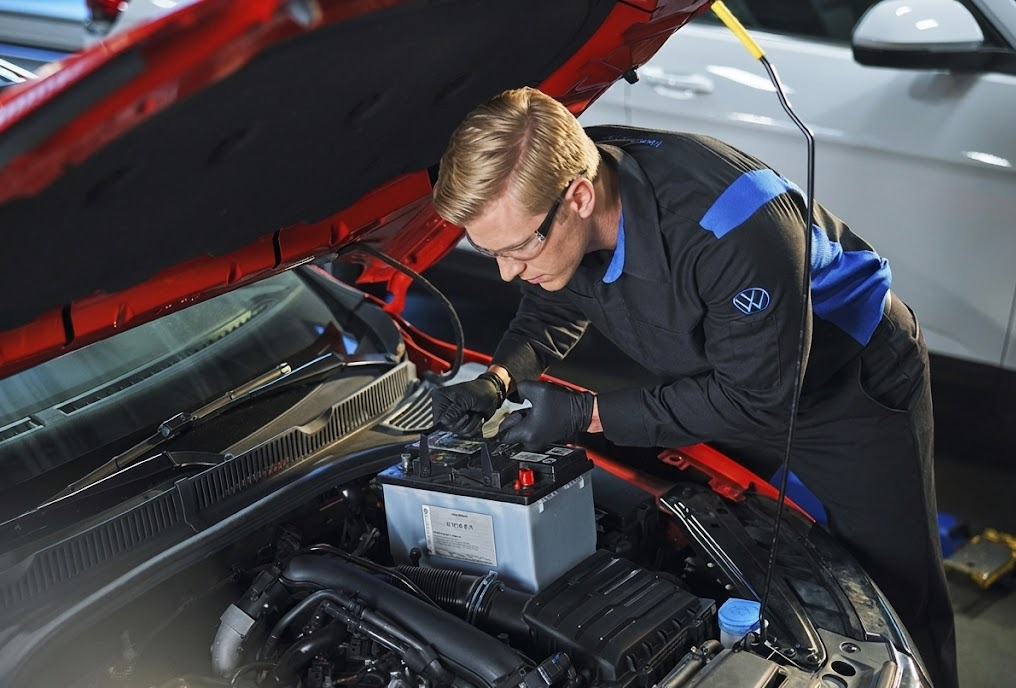
This is why generic auto parts stores often leave VW owners with batteries that don’t last as long as they should—they skip the crucial programming step. Volkswagen requires active registration of new batteries into the vehicle’s BMS using specialized diagnostic tools. At Stone Mountain Volkswagen Service Center, our factory-trained technicians properly register every battery we install, ensuring your electrical system operates exactly as VW engineers intended.
The “First Cold Snap” Test: Don’t Get Stranded in Your Driveway
Here’s a scenario that plays out every November throughout the Atlanta area: temperatures drop into the low 40s overnight for the first time since spring, and suddenly service centers receive dozens of calls from drivers who can’t start their cars. This “first cold snap” phenomenon happens because that first chilly morning demands maximum performance from your battery right when it’s most vulnerable.
The reason is simple physics: cold temperatures slow down the chemical reactions inside your battery, reducing its available power by roughly 20-30%. Simultaneously, your engine oil thickens in the cold, requiring significantly more power to turn the engine over. A healthy battery handles this challenge easily, but a battery that spent all summer deteriorating in Atlanta heat simply can’t deliver enough amperage. You turn the key, hear a slow cranking sound or clicking noise, and you’re stuck.
You can avoid this frustrating scenario by being proactive. If your battery is more than two years old, have it tested before the cooler months arrive. At Stone Mountain VW, we test both voltage and cold cranking amps (CCA). Our testing takes just minutes during a VW Service Xpress visit, and we’ll give you an honest assessment of whether your battery will make it through winter or needs replacement now.
Battery Life Comparison: Atlanta vs. National Average
| Location/Climate | Average Battery Lifespan | Primary Failure Cause | Recommended Testing |
|---|---|---|---|
| Northern U.S. (Cold Climate) | 58+ months | Age-related wear | After 4 years |
| Mid-Atlantic (Moderate) | 48-52 months | Mixed heat/cold stress | After 3 years |
| Southern U.S. (Hot Climate) | Under 41 months | Heat damage | After 2 years |
| Atlanta/Georgia Metro | 24-36 months | Extreme heat/humidity | Annually after 2 years |
Data compiled from AAA, Consumer Reports, and Battery Council International research on regional battery performance.
Protecting Your Battery Between Replacements
Even with a brand new battery properly installed, you can take steps to maximize its lifespan in Atlanta’s challenging climate:
- Park in shade or garages whenever possible: Reducing your battery’s exposure to direct sunlight can lower under-hood temperatures significantly, slowing the degradation process.
- Drive your VW regularly for 20+ minutes: Short trips under 10 minutes don’t give your alternator enough time to fully recharge your battery, which can lead to chronic undercharging.
- Keep terminals clean and tight: Corrosion on battery terminals creates resistance. Check terminals every few months and clean off any buildup with a wire brush.
- Address electrical issues promptly: If you notice accessories acting strangely or warning lights appearing, get them checked immediately. A failing alternator can kill even a new battery quickly.
- Schedule annual testing after year two: Atlanta’s heat means you should start annual testing once your battery reaches its second birthday.
Common Questions About VW Batteries in Atlanta
Q: Why do car batteries die in the winter if heat is the problem?
A: Heat damages the internal structure during summer months by evaporating electrolyte fluid and causing sulfation on the lead plates. Cold weather doesn’t actually damage your battery—it just requires more power to start your engine because oil thickens. This higher demand reveals the damage that was already done during summer.
Q: How often should I replace my VW battery in Georgia?
A: While the national average is three to five years, Georgia’s extreme heat typically cuts this down to just two to three years. We strongly recommend annual testing once your battery reaches two years old.
Q: Do I need to program my VW when installing a new battery?
A: Yes, absolutely. Modern Volkswagens including the Jetta, Atlas, Tiguan, and Taos have Battery Management Systems that must be reprogrammed to recognize the new battery. Skipping this step causes the alternator to use the wrong charging profile, which can overcharge your new battery.
Q: Can I just use a generic auto parts store battery in my Volkswagen?
A: While generic batteries might physically fit, they often don’t meet VW’s specific requirements. Vehicles with start-stop systems absolutely require AGM batteries rather than standard flooded batteries. Using the wrong battery type leads to premature failure.
Stop by for a Complimentary Battery Check at Stone Mountain VW
Don’t wait for a dead battery to ruin your morning commute to Atlanta or leave you stranded in the Snellville Pavilion parking lot. The factory-trained technicians at Stone Mountain Volkswagen Service Center are here to ensure your Volkswagen starts reliably every time you turn the key, whether you’re driving a brand-new Atlas or a trusted Jetta. We have the specialized diagnostic equipment and VW-specific expertise to test your battery accurately.
With Atlanta’s brutal summer heat already damaging batteries throughout the metro area, now is the perfect time to get ahead of potential problems. Our comprehensive battery testing takes just minutes and costs you nothing, but it gives you complete peace of mind. If testing reveals your battery is still healthy, great—you can drive away confident. If your battery is showing signs of weakness, we’ll explain your options clearly.
Schedule your visit online today and get your battery tested before the next cold snap reveals hidden damage!
Or visit us at Stone Mountain Volkswagen Service Center, 3500 Stone Mountain Highway, Snellville, GA 30078, where our courteous professionals combine the security of the Volkswagen promise with the neighborhood benefits of a locally owned and operated service center.